
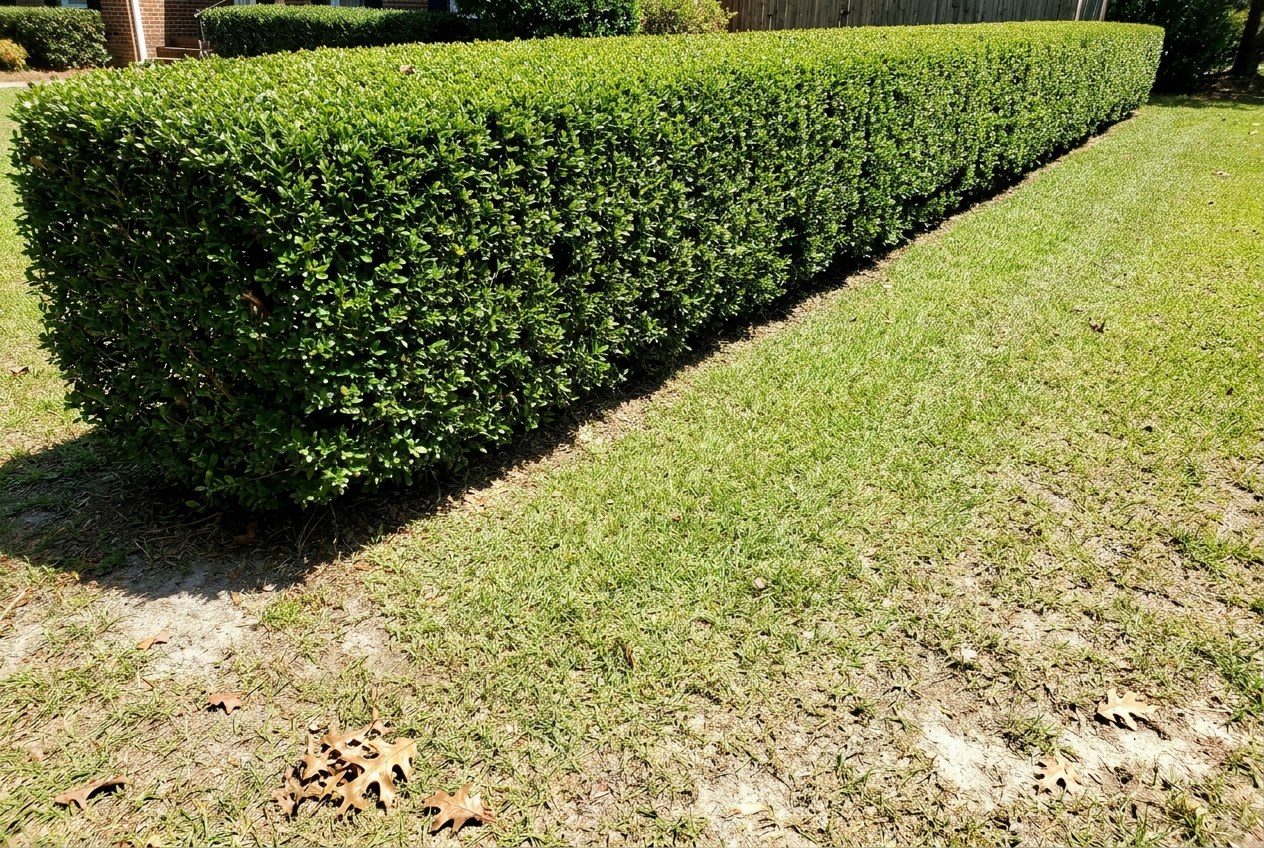
If you're weighing the best time to install landscape beds at a coastal home, the answer is fall, not spring. Most homeowners think of spring as planting season. It feels right: things are blooming, nurseries are stocked, the urge to dig hits. But if you live along the coast and you want landscape beds that actually thrive, fall is when the real work should happen. The window is open right now, and it closes faster than most people expect.
The logic is straightforward once you understand what a plant is actually doing when you put it in the ground. Installing beds in fall works with your local climate instead of against it, and that difference shows up clearly the following spring.
#What Makes Coastal Conditions Different for Planting?
Coastal landscapes face a combination of stressors that inland yards simply do not. Salt-laden air coats foliage and can draw moisture out of leaves. Sandy or heavily amended soils drain quickly, meaning plants in their first weeks have less margin for error during dry spells. Wind exposure is higher, which increases the rate at which both plants and soil lose moisture.
A plant that goes into the ground stressed, whether from heat, drought, or poor timing, has to fight on multiple fronts at once. It cannot focus energy on root development when it is also trying to hold foliage together against salt burn and wind desiccation.
Sandy coastal soils can drain so quickly that a newly installed plant in summer may need watering every day to stay alive, which still does not guarantee good root development. Fall planting reduces that pressure significantly.
#Why Do Roots Establish Better in Fall Than in Spring or Summer?
Roots grow most actively when air temperatures are cooling but soil temperatures are still warm, which describes fall almost perfectly. While the top of the plant slows down and stops pushing new foliage, the root system keeps working. According to the Clemson University Home & Garden Information Center, soil stays warm enough for root growth well after air temperatures begin to drop, giving fall-planted specimens weeks of underground development that spring-planted equivalents never get.
By the time spring arrives and growth demands increase, new shoots, expanding foliage, flower production, a fall-installed plant already has an established root network in place to support all of that activity. A spring-planted bed is doing two things at once: trying to grow roots AND push above-ground growth simultaneously, all while temperatures are climbing.
That split focus is one reason spring installations often look ragged through their first summer. The plants are not failing. They are just stretched thin.
#How Does Fall Soil Preparation Improve Results the Following Spring?
Getting the soil right matters as much as the timing of planting itself, and fall gives you a head start that spring cannot replicate.
When you amend soil in fall, adding compost, adjusting pH, working in organic matter, the material has months to break down and integrate before you ask it to support active plant growth. Compost that goes in during October is unrecognizable by April. The microbial activity in the soil works through mild winter temperatures, and what you get by spring is a living, structured growing medium rather than a clump of compost layered over native soil.
- Organic matter decomposes and binds to sandy coastal soil particles, improving moisture retention
- pH adjustments have time to stabilize rather than creating an uneven environment for new roots
- Earthworm and microbial activity improves soil aeration naturally over winter
- Weed seed banks in the bed are partially depleted before spring, reducing early competition
For coastal properties specifically, where sandy or salt-affected soils often need the most amendment, this lead time is not just helpful, it is close to necessary. Pairing thorough soil prep with the right planting and mulching approach sets the bed up to perform from its first spring forward.
#Fall vs. Spring Landscape Bed Installation: A Practical Comparison
| Factor | Fall Installation | Spring Installation |
|---|---|---|
| Transplant stress | Low, cooler air and soil reduce shock | Moderate to high, warming temps increase water demand immediately |
| Root establishment window | Long, roots grow through fall and mild winter months | Short, summer heat arrives before roots are fully set |
| Soil amendment benefit | High, amendments integrate over winter | Low, amendments go in just before or during active growth |
| Watering demand at installation | Lower, cooler temps reduce evaporation | Higher, plants need more frequent watering as heat builds |
| First-season appearance | Stronger, established roots support early growth | Inconsistent, plants often struggle through their first summer |
#Which Plants Work Best for Fall Coastal Bed Installation?
Hardy perennials, ornamental grasses, salt-tolerant shrubs, and native coastal species are all strong candidates for fall planting. Many of these varieties are well-suited to the specific conditions of a coastal landscape and do not need the long warm season that vegetables or tender annuals require.
Ornamental grasses in particular are excellent fall installations, they go dormant above ground quickly, focus all energy below the surface, and emerge in spring with a vigor that spring-planted specimens take a full extra season to match. Salt-tolerant shrubs like bayberry, sea rose, and native viburnums follow the same pattern.
Fall is not the right season for every plant. Tropicals, cold-sensitive specimens, and plants rated at the edge of your hardiness zone should wait for spring. But for the backbone plantings of a coastal bed, the shrubs, grasses, and perennials that anchor the design, fall installation is the right call.
Planning which plants and layout will serve your property best is easier with a full landscape design and installation process behind it, one where plant selection, spacing, and soil prep are dialed in before anything goes in the ground.
#Is It Too Late to Install Landscape Beds This Fall?
Probably not, but the window does close. As long as the ground is workable and you have roughly four to six weeks before the first hard freeze in your area, a fall installation will give roots enough time to get established. Waiting for temperatures to drop further before acting narrows that margin and can shift the balance from a successful fall install to one that needs significant spring recovery.
At Coastal Bloom Landscaping LLC, we work with homeowners throughout the season to assess what can realistically be installed now versus what should wait. If you are on the fence about timing, a conversation about your specific beds, plant selections, and site conditions will tell you more than a general rule of thumb ever could.
If you have been thinking about adding or redesigning landscape beds around your coastal home, now is the right moment to get the process started. Feel free to get in touch with the team at Coastal Bloom Landscaping LLC to talk through what a fall installation could look like for your property.